Notifying the grid operator of a micro-installation, step by step
Updated: 06/10/2026 · 5 min read · Ozeplan editorial teamA micro-installation is a renewable installation of up to 50 kW. If the building is already connected and the system power does not exceed the power in the connection conditions, a notification to the distribution system operator (DSO) is enough, once protection and metering are installed. The operator confirms the filing date and connects the system within 30 days; the operator pays for the protection system and the meter. If the power is higher than the connection capacity, connection conditions and an agreement are needed.
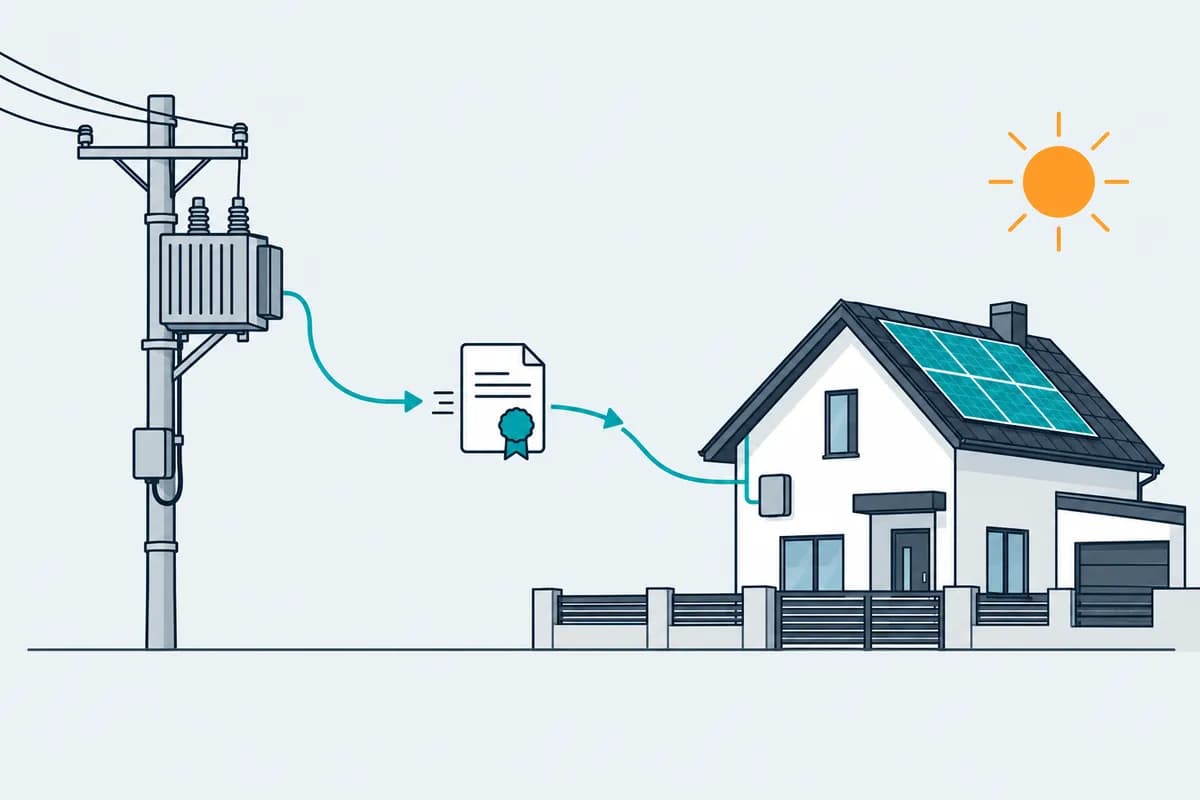
Notification or connection conditions
Notification: the building is connected and the micro-installation power does not exceed the power in the connection conditions (Energy Law, art. 7(8d4)).
Connection conditions and an agreement: the micro-installation power exceeds the connection capacity.
A micro-installation is a renewable installation of up to 50 kW connected to a grid below 110 kV (RES Act, art. 2(19)).
What the notification contains
The notification names the applicant, the type and power of the installation, technical data and location. It includes a declaration, under criminal liability, of legal title to the property and the installation. Operators have their own forms and attachment lists, for example:
Energa-Operator: an NC RfG (EU Regulation 2016/631) conformity certificate, the art. 7 declaration and the installer's statement.
TAURON Dystrybucja: the installer's statement, the ZM-KK statement, the ZM-S diagram, the inverter certificate, and optionally a power of attorney and ZM-M storage data.
The installation crew often submits the notification for the owner under a power of attorney.
Step by step
Check the connection capacity in your contract or energy bill.
The crew installs the system with protection devices; above 6.5 kW a fire-safety expert agrees the design.
You submit the notification to your operator (or the installer does it with a power of attorney).
The operator confirms the filing date and within 30 days replaces or reprograms the meter to a bidirectional one at its own cost.
From connection you settle energy with your seller, as explained in Net-billing.
Who may install the system
Operators accept micro-installations installed by a person with a UDT renewable installer certificate, an electrical operating qualification or construction qualifications in electrical installations. Details in How to choose an installer.
The operator may limit or disconnect micro-installations above 10 kW when grid safety is threatened (Energy Law, art. 7(8d10)).
Frequently asked questions
Who notifies the grid operator about a solar system?
The owner, or the installation crew under a power of attorney. The notification goes to the distribution system operator that owns the local grid.
How long does a bidirectional meter take?
The operator has 30 days from the notification to connect the micro-installation, including installing or reprogramming the meter.
Do I pay for the meter replacement?
No. With a notification, the operator pays for the protection system and the meter.
What if the PV power exceeds the connection capacity?
Then a notification is not enough: you apply for connection conditions and sign a connection agreement.
Sources
Regulations and programmes checked on the update date.
See installers who travel to your town: range, availability, projects and checked certificates.
Related guides
This guide is for information only. Regulations and programme terms change, so check the current sources before deciding.